Archives
- 2026-06
- 2026-05
- 2026-04
- 2026-03
- 2026-02
- 2026-01
- 2025-12
- 2025-11
- 2025-10
- 2025-09
- 2025-04
- 2025-03
- 2025-02
- 2025-01
- 2024-12
- 2024-11
- 2024-10
- 2024-09
- 2024-08
- 2024-07
- 2024-06
- 2024-05
- 2024-04
- 2024-03
- 2024-02
- 2024-01
- 2023-12
- 2023-11
- 2023-10
- 2023-09
- 2023-08
- 2023-07
- 2023-06
- 2023-05
- 2023-04
- 2023-03
- 2023-02
- 2023-01
- 2022-12
- 2022-11
- 2022-10
- 2022-09
- 2022-08
- 2022-07
- 2022-06
- 2022-05
- 2022-04
- 2022-03
- 2022-02
- 2022-01
- 2021-12
- 2021-11
- 2021-10
- 2021-09
- 2021-08
- 2021-07
- 2021-06
- 2021-05
- 2021-04
- 2021-03
- 2021-02
- 2021-01
- 2020-12
- 2020-11
- 2020-10
- 2020-09
- 2020-08
- 2020-07
- 2020-06
- 2020-05
- 2020-04
- 2020-03
- 2020-02
- 2020-01
- 2019-12
- 2019-11
- 2019-10
- 2019-09
- 2019-08
- 2019-07
- 2019-06
- 2019-05
- 2019-04
- 2018-11
- 2018-10
- 2018-07
-
Similarly Somavarapu and Kepp constructed
2021-10-08

Similarly, Somavarapu and Kepp [29] constructed a PS1 homology model using 4HYG as a template, plus modeling the TM6-TM7 intracellular segment (amino acids 273 to 374). In this study, the authors considered for the first time the mature and immature (not autoproteolyzed) forms of PS1 component, sinc
-
Genetic contributions to this dysregulation of expression ha
2021-10-07
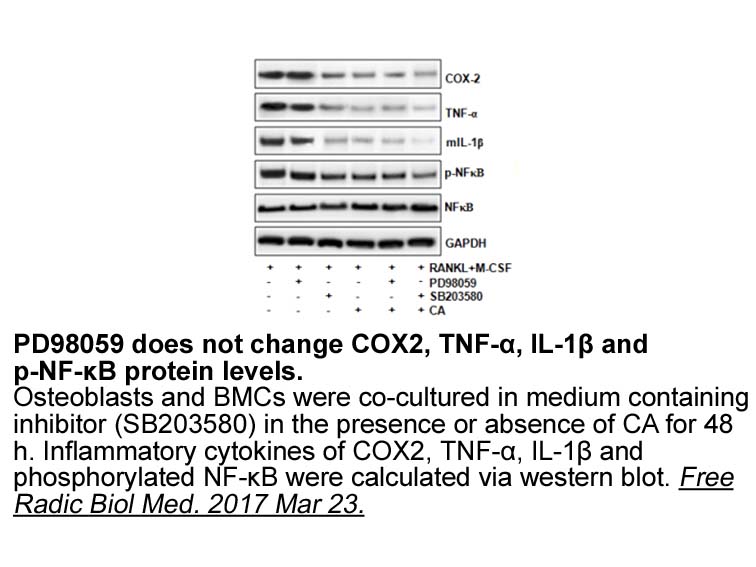
Genetic contributions to this dysregulation of expression have been studied, and significant associations have been found. The Fas −670 polymorphism is associated with preterm premature rupture of membranes, preeclampsia, as well as intrauterine growth restriction [7], [16]. The Fas SNP (−670 A>G) i
-
The synthesis route of strobol C started from kirenol
2021-10-07
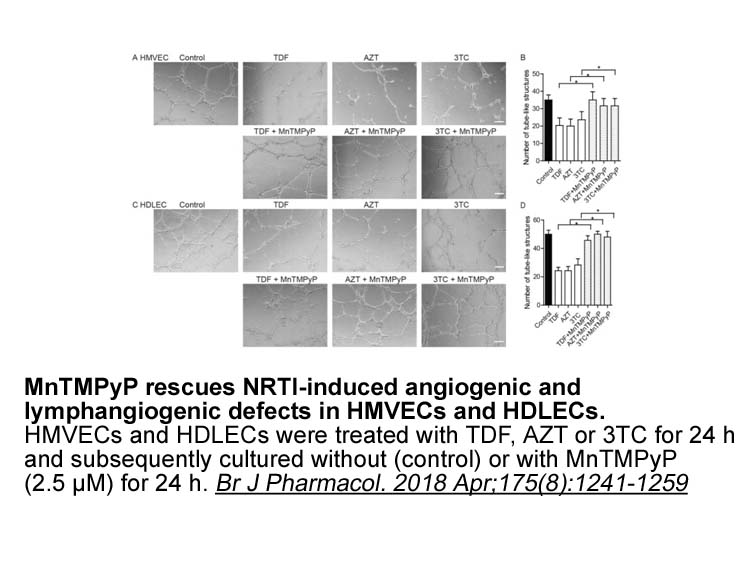
The synthesis route of strobol C started from kirenol, which was treated with phosphomolybdic IGF-1, human recombinant hydrate in acetone to afford isopropylidenkirenol () as illustrated in . Treatment of with acetic anhydride in a mixture of dry pyridine, gave fully protected intermediate in 84.5%
-
Acetylation of histones by histone acetyltransferases stimul
2021-10-07
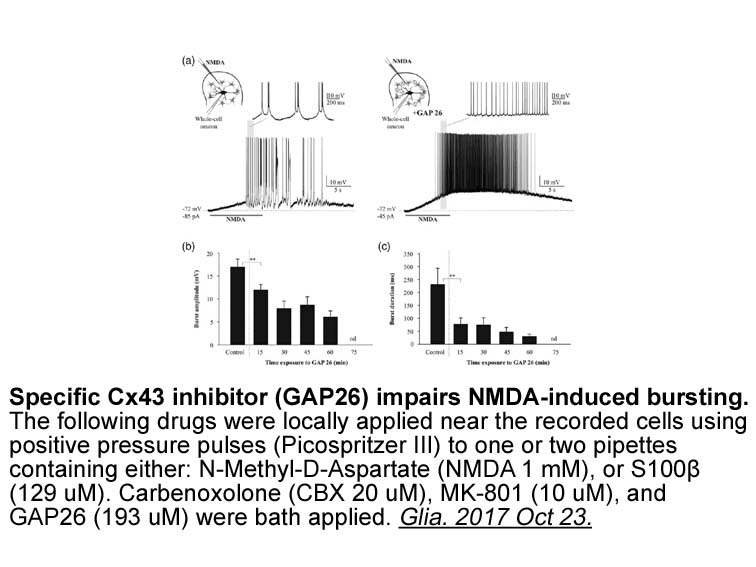
Acetylation of histones by histone acetyltransferases stimulates gene expression by relaxing Zalcitabine structure, allowing access of transcription factors to DNA, whereas deacetylation of histones by histone deacetylases promotes chromatin condensation and transcriptional repression. Recent studi
-
Amikacin mg In summary P P macrocyclization
2021-10-07
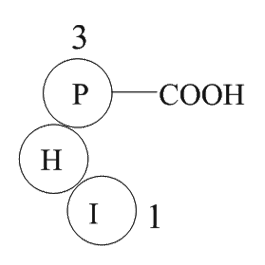
In summary, P2-P4 macrocyclization proved to be an effective strategy to drive activity in this series of HCV NS3 protease inhibitors while microsomal stability was enhanced by the introduction of steric bulk along the tether. This modification augmented the previously-described tactic of improving
-
Here we report the genomic structure
2021-10-07
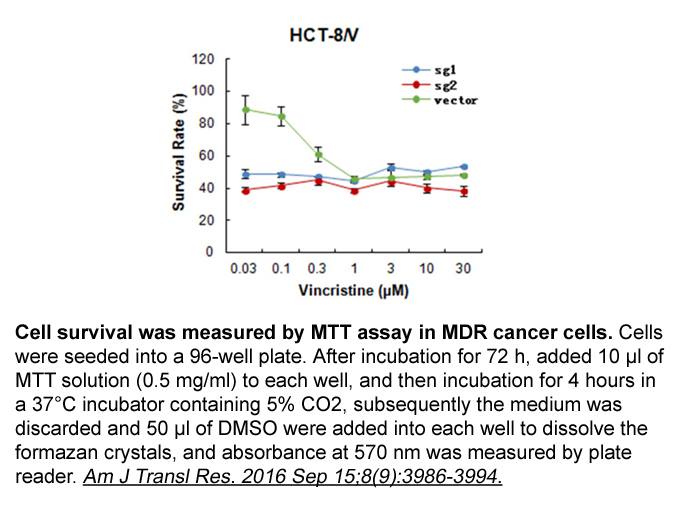
Here we report the genomic structure and the phylogenetic analysis of testis-specific Ser/Thr kinase haspin gene. Materials and methods Results Discussion The isolation and analysis of haspin genomic DNA showed that haspin was an intron-less gene and localized in an intron of integrin αM29
-
br Acknowledgements br Introduction The
2021-10-07
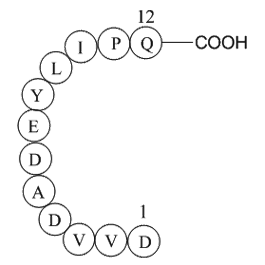
Acknowledgements Introduction The study methods consisted of the review of articles included in the Pubmed and Medline databases and in the clinicaltrials.gov clinical trials register between 2013 and 2016, and of the preliminary results of therapies presented at international trichology confe
-
aurora a br Expression profile of GPR As noted above
2021-10-07
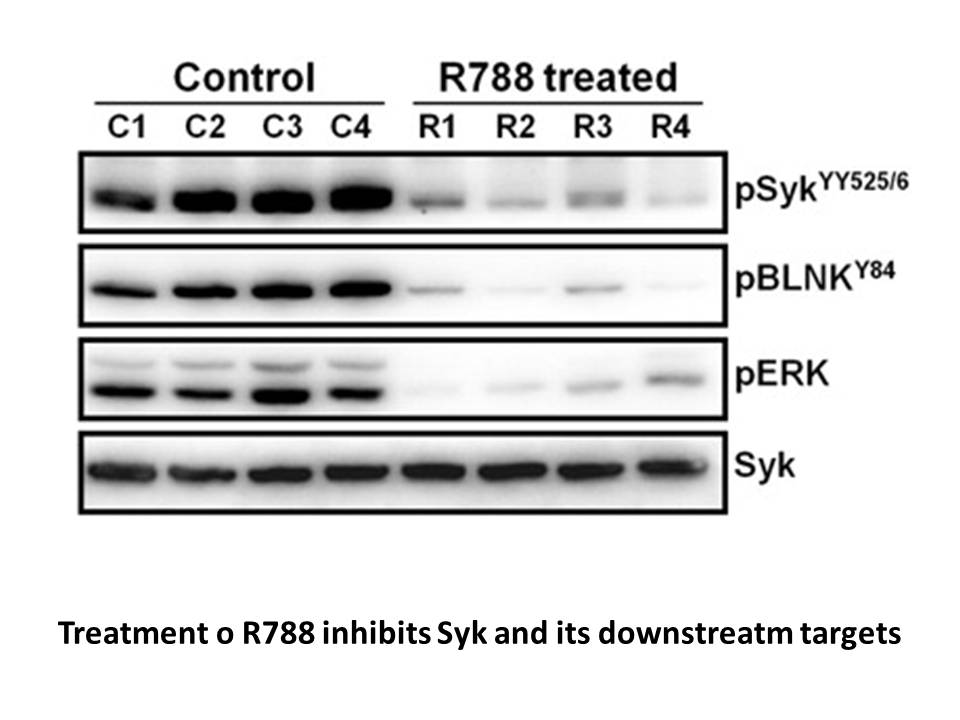
Expression profile of GPR35 As noted above, initial studies indicated expression of GPR35 in rat intestine [1] and stomach [2]. Subsequent studies have confirmed significant expression levels in the small intestine, colon and stomach, and this might be relevant in the association between a GPR35
-
More recently several groups have characterized
2021-10-07
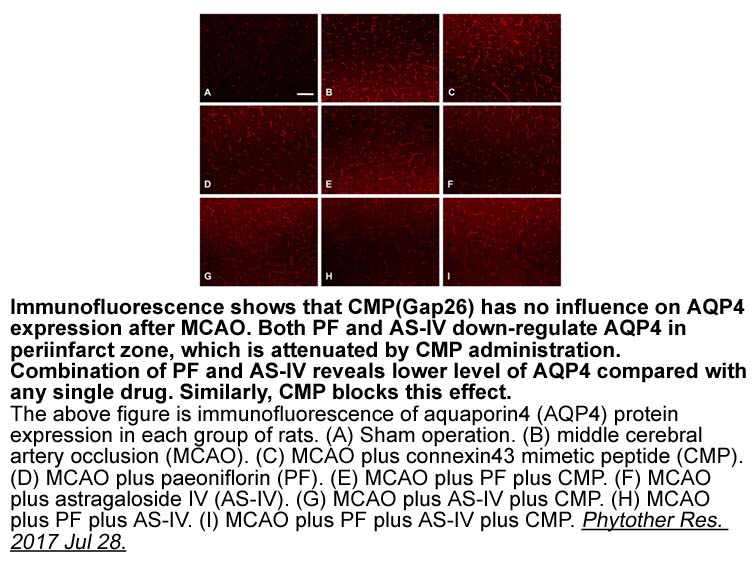
More recently, several groups have characterized a role for GPR120 signaling via omega-3 fatty acids in amelioration of alcoholic hepatic injury and non-alcoholic fatty liver disease (NAFLD) [18], [19]. Nakamoto et al. demonstrated protective effects of the omega-3 fatty 3CAI australia docosahexaen
-
To search for potential variants of SLA
2021-10-07
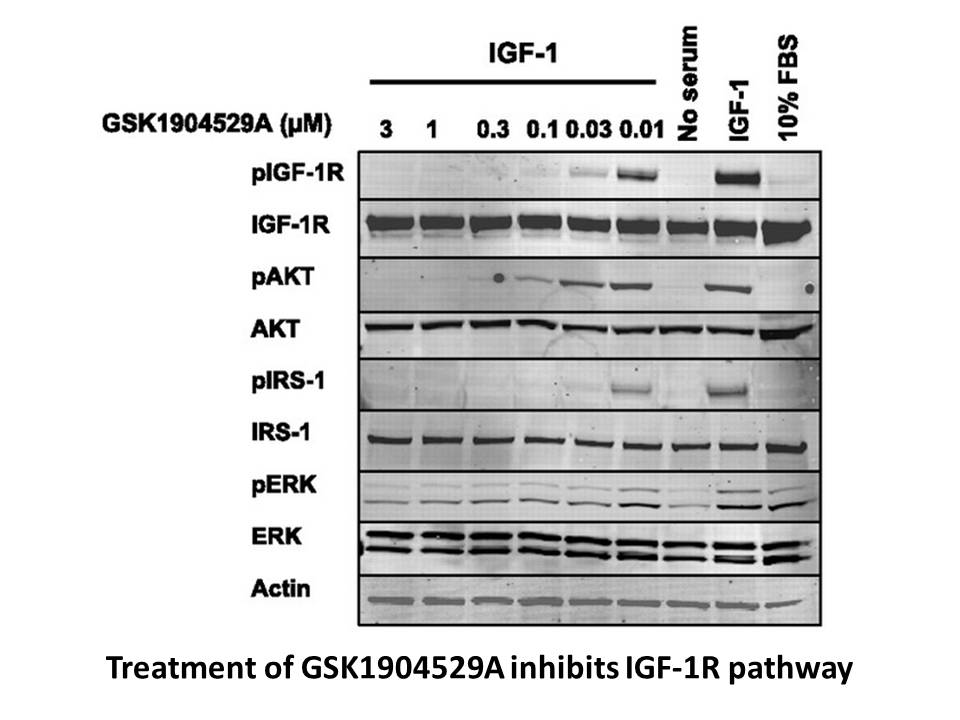
To search for potential variants of SLA-DOB and CD4 associated with different (percentage) levels of the five (T-lymphocyte subsets, total antibody IgG, interferon alpha (IFN-α), Toll like receptor 3 (TLR3), interleukin 6 (IL-6) in serum and porcine reproductive and respiratory syndrome virus (PRRSV
-
In conclusion we have designed and characterized a novel ser
2021-10-06
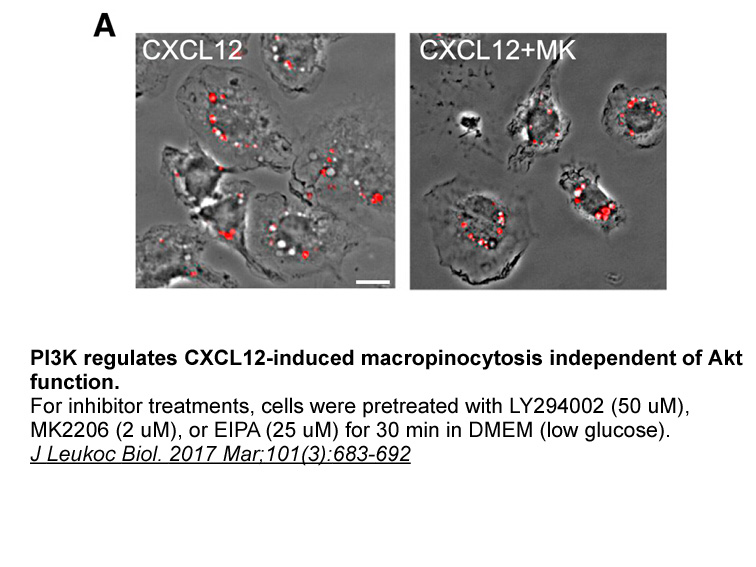
In conclusion, we have designed and characterized a novel series of EAAT-blockers, exemplified by (-[4-(2-bromo-4,5-difluorophenoxy)phenyl]--asparagine)—a potent, selective, competitive non-substrate inhibitor of EAAT-2. As one of the most potent and selective EAAT-2 inhibitors identified to date, c
-
In the liver ghrelin has opposite
2021-10-06
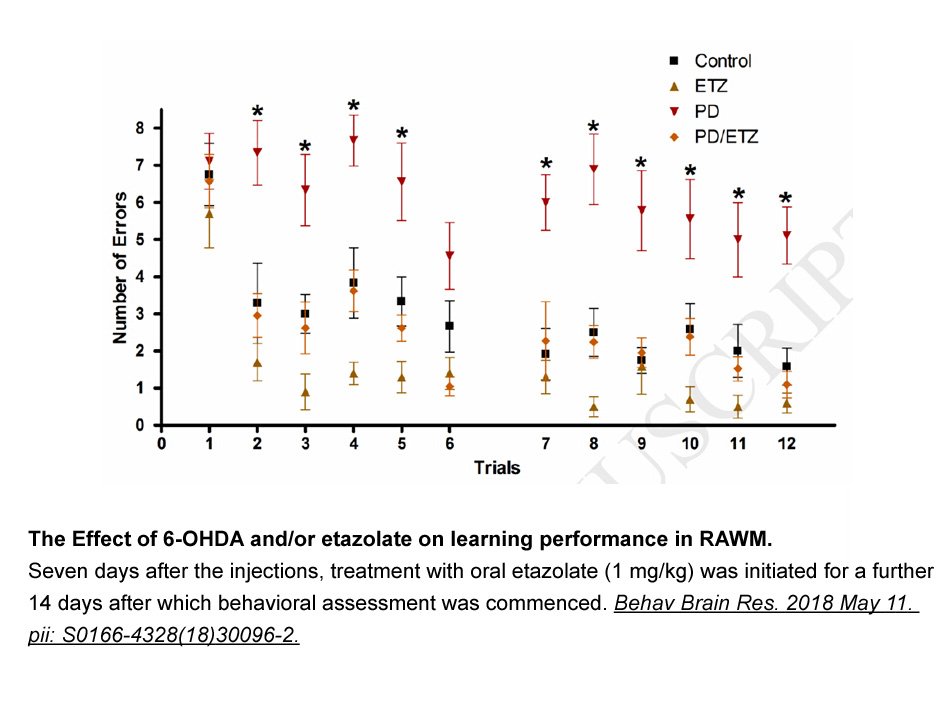
In the liver, ghrelin has opposite effects to insulin on the expression of the enzyme PEPCK, thereby promoting gluconeogenesis and also causing a decrease in glucose uptake and fatty Liproxstatin-1 oxidation (Rigault et al., 2007). Ghrelin also stimulates hepatic lipogenesis de novo in a GH-independ
-
br Discussion br Author Contributions br Alzheimer s
2021-10-06

Discussion Author Contributions Alzheimer’s disease (AD) is an age-related, chronically progressive neurodegenerative disorder affecting more than 35million people worldwide and an estimated 5.5million in the US. Current marketed drugs such as acetylcholinesterase inhibitors and the NMDA ant
-
We identified three genes KEAP NAA
2021-10-04

We identified three genes—KEAP1, NAA38, and ABCC1/MRP1—as negative regulators of glutathione abundance in human cells. Like KEAP1, NAA38 appears to regulate NRF2 stability, as NAA38 deletion increased NRF2 protein levels and the expression of NRF2 target genes. NAA38 is a component of the NatC N-ter
-
FBPase deficiency is a very rare
2021-10-03
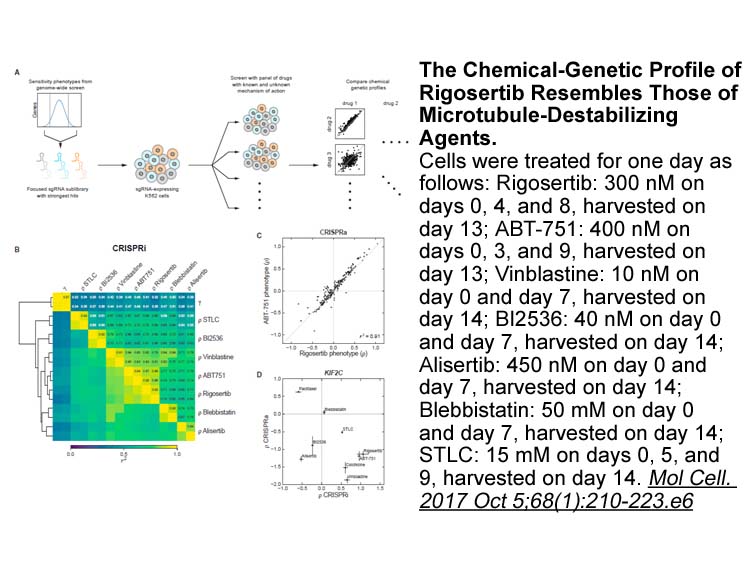
FBPase deficiency is a very rare inborn error of fructose CL-387785 of autosomal recessive inheritance. This disorder usually occurs in the first year of life through ketotic hypoglycemia and lactic acidosis triggered by catabolic episodes such as prolonged fasting or febrile infections (Steinmann
16646 records 610/1110 page Previous Next First page 上5页 606607608609610 下5页 Last page