Archives
- 2026-10
- 2026-09
- 2026-08
- 2026-07
- 2026-06
- 2026-05
- 2026-04
- 2026-03
- 2026-02
- 2026-01
- 2025-12
- 2025-11
- 2025-10
- 2025-09
- 2025-04
- 2025-03
- 2025-02
- 2025-01
- 2024-12
- 2024-11
- 2024-10
- 2024-09
- 2024-08
- 2024-07
- 2024-06
- 2024-05
- 2024-04
- 2024-03
- 2024-02
- 2024-01
- 2023-12
- 2023-11
- 2023-10
- 2023-09
- 2023-08
- 2023-07
- 2023-06
- 2023-05
- 2023-04
- 2023-03
- 2023-02
- 2023-01
- 2022-12
- 2022-11
- 2022-10
- 2022-09
- 2022-08
- 2022-07
- 2022-06
- 2022-05
- 2022-04
- 2022-03
- 2022-02
- 2022-01
-
br Disclaimer br Conflicts of interest
2022-10-14
Disclaimer Conflicts of interest Role of the Sponsor Acknowledgements Funding/support: This project was supported by a grant from the Department of Surgery (R5129), Western University and by the Institute for Clinical Evaluative Sciences (ICES) Western site. ICES is funded by an annual g
-
AMN107 synthesis In agreement with the role of ACLY in induc
2022-10-14

In agreement with the role of ACLY in induced macrophage, we observe a drastically reduction of PGE2 levels when ACLY activity is inhibited. This is possible because PGE2 production requires arachidonic acid, which in turn is synthesized by elongation of dietary linoleic AMN107 synthesis with acety
-
br ACL Inhibition Lowering Blood LDL C to Reduce
2022-10-14
ACL Inhibition: Lowering Blood LDL-C to Reduce ASCVD Risk Given its strategic position in the lipid biosynthesis pathway, ACL has been considered an attractive target for lipid-lowering even before statins and their effects on cholesterol homeostasis were elucidated (Box 2). Cells carefully maint
-
The R pycnus arginase was identical to
2022-10-13
The R. pycnus arginase was 65% identical to the published B. caldovelox arginase sequence (AAB06939). Furthermore, the R. pycnus arginase gene was 62%, 45%, 36% and 22% identical to the published arginase sequences from Bacillus thuringiensis (AJI37018), Thermus thermophiles (WP_038039155), Human ar
-
Although the gene that encodes DHFR has
2022-10-13

Although the gene that encodes DHFR has been strongly conserved during evolution, subtle differences in the active sites of bacterial, human and parasite Ion Channel Compound Library have been exploited to develop DHFR inhibitors specific to particular pathogens 1, 3. For example, pyrimethamine and
-
rolipram In Pham et al employed the microsphere based techno
2022-10-13
In 2014, Pham et al. [22] employed the microsphere-based technology to create a Luminex probe-based assay for the rapid identification of single nucleotide polymorphisms that are known to confer resistance to one or more echinocandins in C. glabrata. The targets for the FKS probes were generated usi
-
The androgen receptor gene AR is located on
2022-10-13
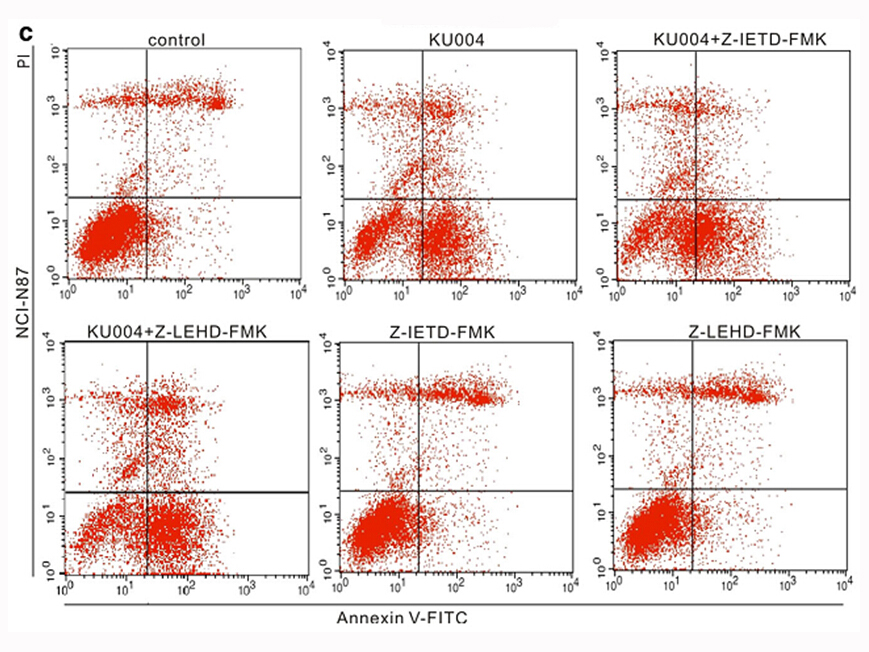
The androgen receptor gene (AR) is located on the X-chromosome and consists of eight exons in humans (Brown et al., 1989; Kuiper et al., 1989). The similar gene structure in mice, monotremes and marsupials indicates AR is highly conserved in mammals (Choong et al., 1998; Faber et al., 1991; He et al
-
Based on structure activity relationship of several SARM
2022-10-13
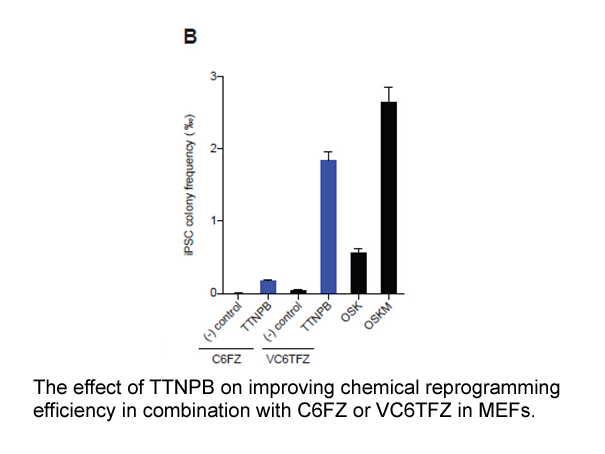
Based on structure activity relationship of several SARM templates, Ligand Pharmaceuticals chose LGD2226 as their first clinical candidate (Miner et al., 2007). Although LGD2226 demonstrated myo- and osteo-anabolic activity and maintenance of sexual function in various preclinical models, the develo
-
In conclusion we demonstrated that in the
2022-10-13
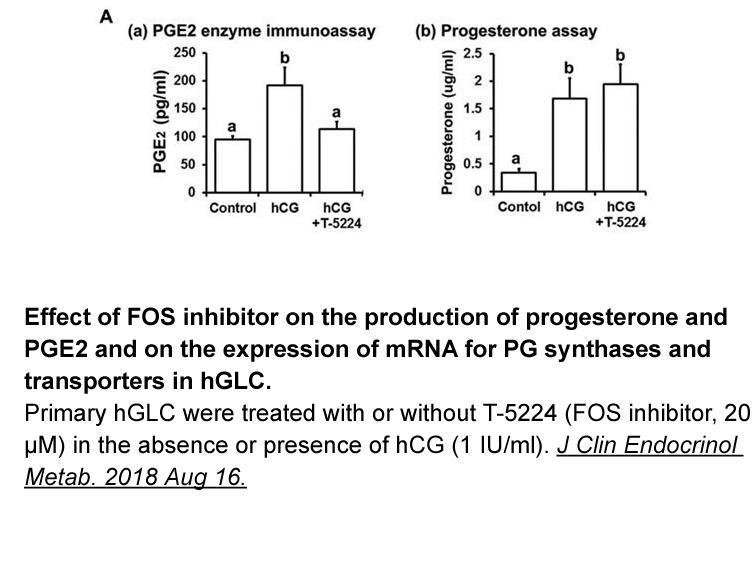
In conclusion, we demonstrated that, in the skeletal muscle of rats with T1DM, CRBN levels increased and AMPK, Akt, GLUT4, PGC-1α, and FNDC5 levels decreased, resulting in increased fasting glucose levels. Aerobic exercise training decreased levels of CRBN, which was possibly mediated by AMPK, Akt,
-
br Introduction Clinical manifestations of Alzheimer
2022-10-13
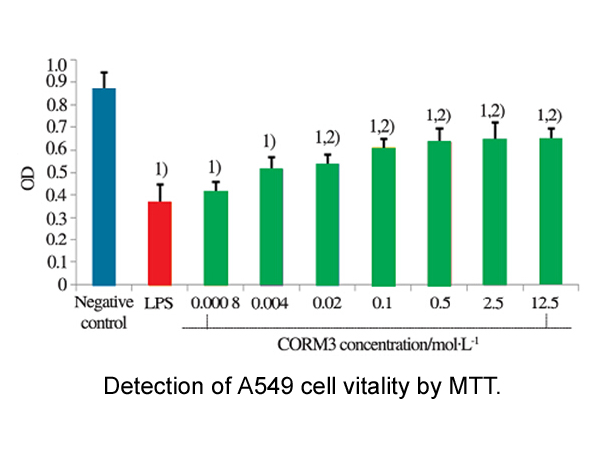
Introduction Clinical manifestations of Alzheimer's disease (AD) are mainly characterized by progressive intellectual deterioration, memory impairment, cognitive impairment, and psychiatric symptoms. The pathogenesis of AD remains unclear, mainly containing genetic factors, neurotransmitter disor
-
Type IIIa b the ligand dependent oncogenic
2022-10-12
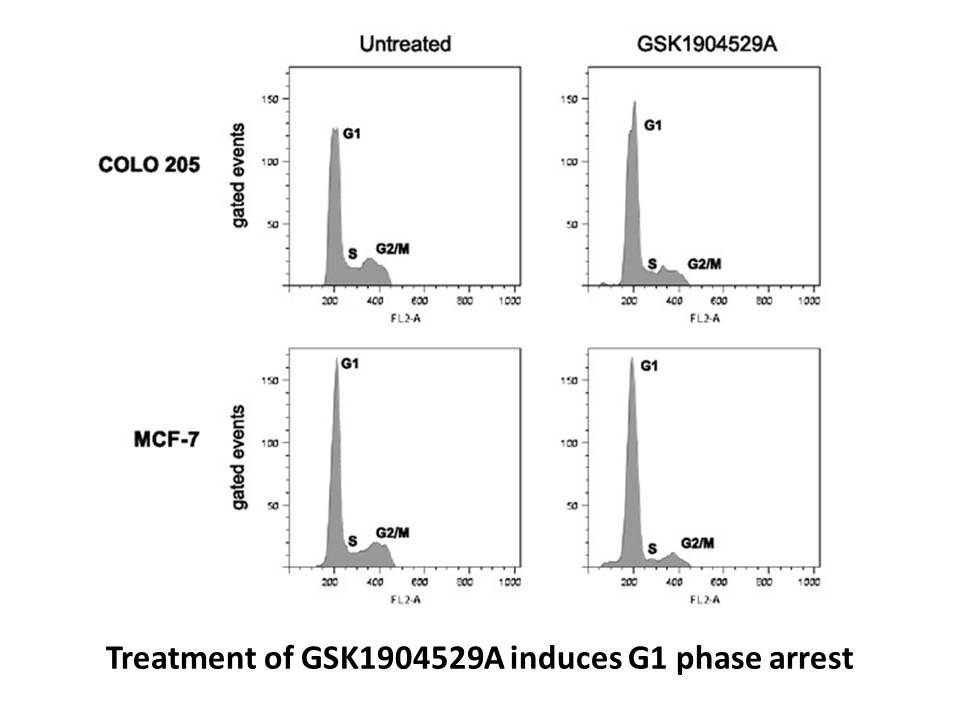
Type IIIa/b – the ligand dependent oncogenic Hh pathway (paracrine or reverse paracrine mode) is mediated by paracrine activation and is usually encountered in embryonic development, but also in installation and progression of cancer [58]. Specifically, Hh ligands secreted by malignant Piperaquine
-
In our previous study we designed and synthesized
2022-10-12
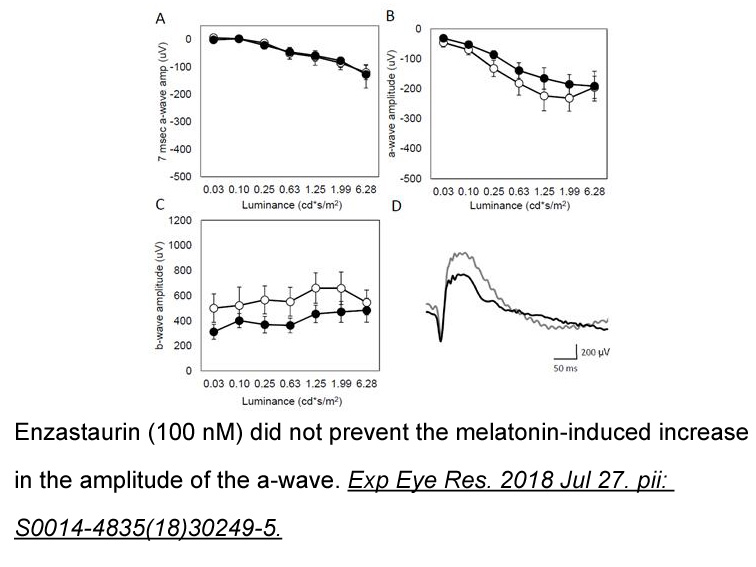
In our previous study, we designed and synthesized compounds of A series from the starting material 4-hydroxy-3-methoxycinnamic UCM05 (ferulic acid). These compounds with R group being amino acid residues, fatty acyl group and sulfuryl group showed moderate HDAC inhibition and in vitro antitumor po
-
The selection of mutations in vivo with
2022-10-12

The selection of mutations in vivo with antivirals is a complex process involving, among other things, the frequency of a given mutation prior to treatment, the effect of that mutation on viral protein function, and the interplay of a given mutation pattern with host immune mechanisms. Investigation
-
br Methods br Results and discussion br Conclusions In this
2022-10-12
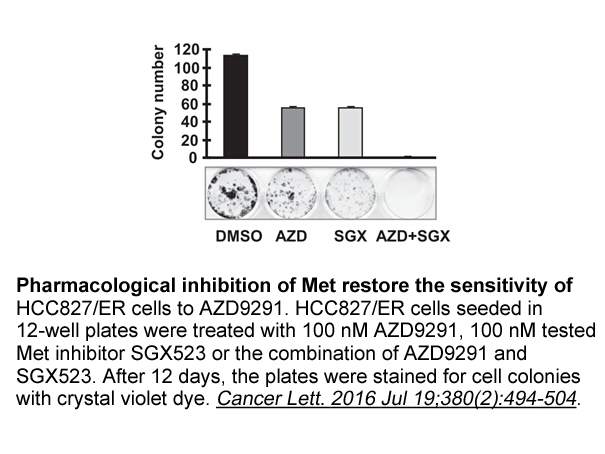
Methods Results and discussion Conclusions In this work, 100-ns MDSs were applied on the WT and on the R155K and D168A single point mutations of the NS3/4A protease in the apo form and in complex with ASV, a current drug in phase III clinical trials. According to the PCA, these two mutation
-
Not all metals are susceptible of
2022-10-12
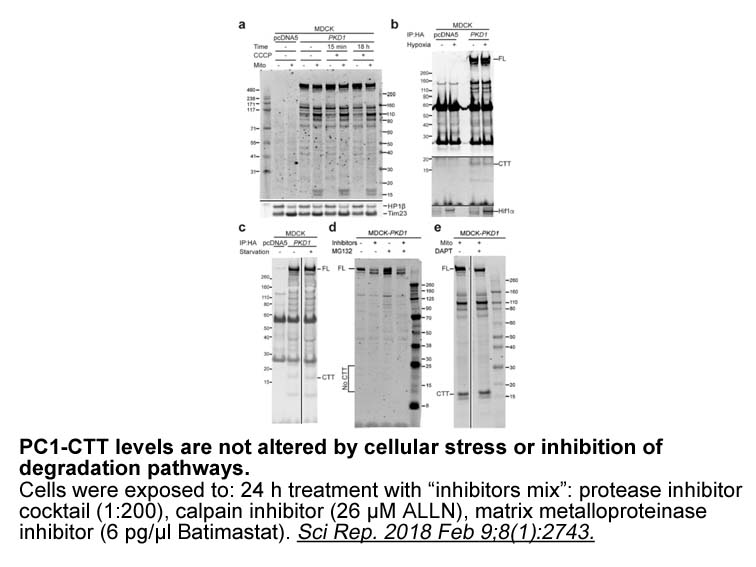
Not all metals are susceptible of being accumulated by insects. Tissue concentrations of essential metals like Cu and Zn are regulated in many insects and hence cannot be used to biomonitor metal pollution (Hare, 1992). A similar behaviour could explain the observed stability of Zn and Cu relative t
8492 records 421/567 page Previous Next First page 上5页 421422423424425 下5页 Last page