Archives
- 2026-10
- 2026-09
- 2026-08
- 2026-07
- 2026-06
- 2026-05
- 2026-04
- 2026-03
- 2026-02
- 2026-01
- 2025-12
- 2025-11
- 2025-10
- 2025-09
- 2025-04
- 2025-03
- 2025-02
- 2025-01
- 2024-12
- 2024-11
- 2024-10
- 2024-09
- 2024-08
- 2024-07
- 2024-06
- 2024-05
- 2024-04
- 2024-03
- 2024-02
- 2024-01
- 2023-12
- 2023-11
- 2023-10
- 2023-09
- 2023-08
- 2023-07
- 2023-06
- 2023-05
- 2023-04
- 2023-03
- 2023-02
- 2023-01
- 2022-12
- 2022-11
- 2022-10
- 2022-09
- 2022-08
- 2022-07
- 2022-06
- 2022-05
- 2022-04
- 2022-03
- 2022-02
- 2022-01
-
NO is an important mediator for maintaining bone
2023-08-18
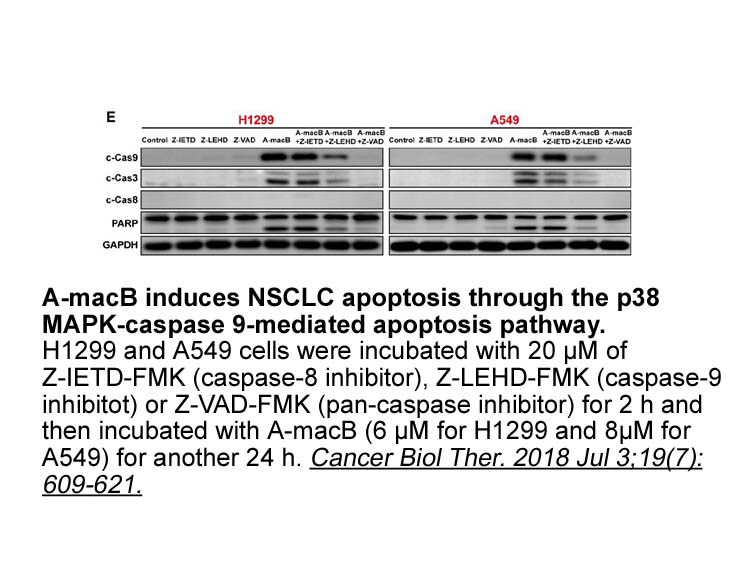
NO is an important mediator for maintaining bone integrity since it plays a role in the bone remodeling process. It was shown that mechanical strain and shear stress induce NO synthesis in osteoblasts and osteocytes (van't Hof & Stuart, 2001). It was reported that mechanical loading influences its a
-
The contractility index showed positive inotropic effects of
2023-08-18
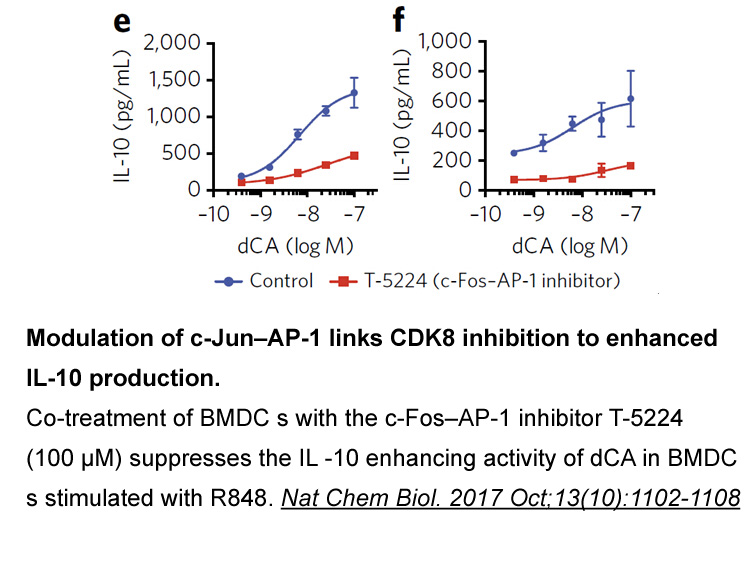
The contractility index showed positive inotropic effects of apelin in both doses at min 5 (Fig. 3, Fig. 5). Although the mean arterial pressure did not recover to the baseline, the contractility index increased, the relaxation index (tau) and ±dp/dt max returned back to their baseline, and left ven
-
Zacopride hydrochloride MiR has already been implicated in t
2023-08-18
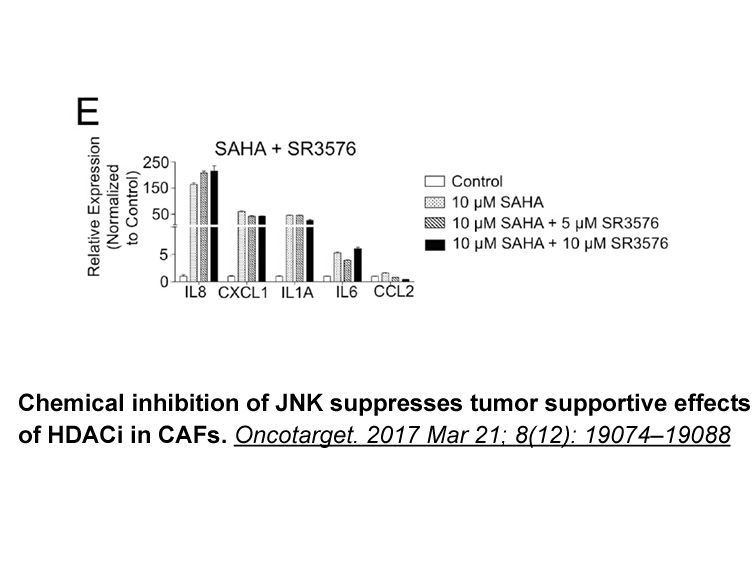
MiR-21 has already been implicated in the protective effects of Res on lung fibrosis, but the molecular mechanisms are underexplored. Our results showed a clear increase of activation protein 1 (AP-1) activity after TGF-β treatment, which was suppressed by Res in a dose-dependent manner, suggesting
-
On the other hand oxygen concentration
2023-08-18
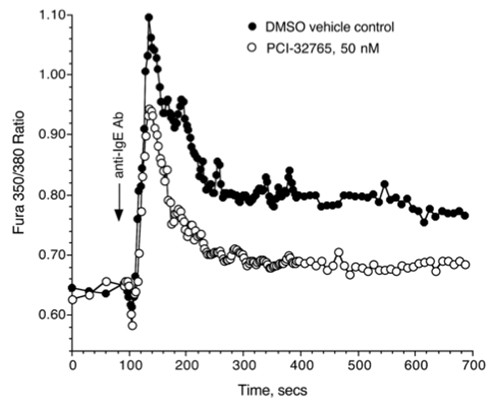
On the other hand, oxygen concentration in tumor tissue also depends on its consumption rate by tumor cells, which decrease will also lead to alleviation of hypoxia. This fact is not taken into account in the majority of studies on the topic, although it is well-known that antiangiogenic therapy doe
-
Recent studies suggest that A caused synapse
2023-08-17
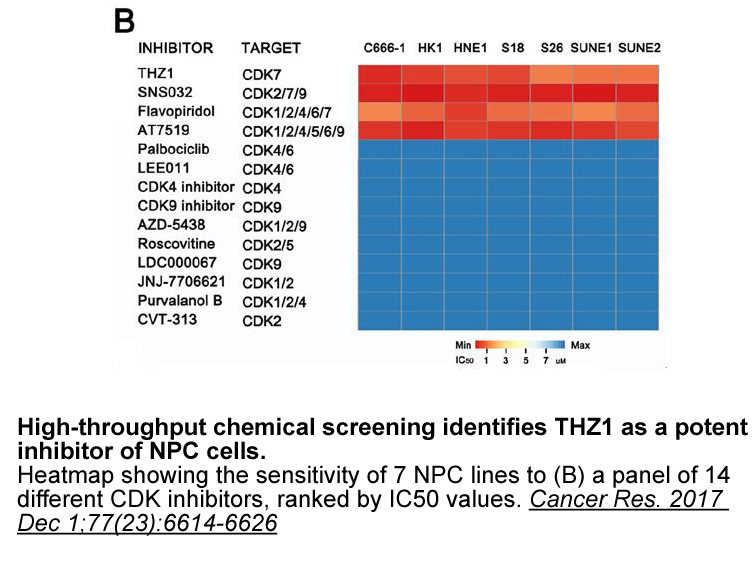
Recent studies suggest that Aβ caused synapse damage as a consequence of aberrant cell signalling. As synthetic Aβ42 monomers activate the phosphatidylinositol-3-kinase pathway (Giuffrida et al., 2009) and insulin signalling (Giuffrida et al., 2012) it is possible that Aβ monomers and Aβ oligomers a
-
For patients who have taken advantage
2023-08-17
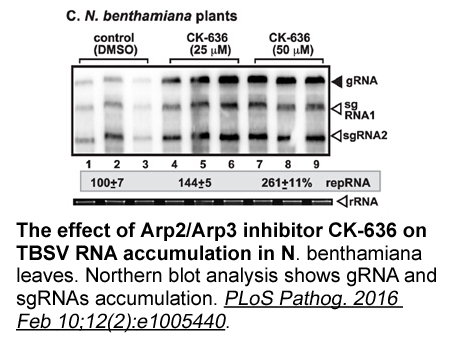
For patients who have taken advantage of the anti-TKIs and whose follow-up has been succeeded, some partial response has been noticed with 45% (9/20) for gefitinib, 39% (9/23) for erlotinib and 56.5% (13/23) for crizotinib. A disease progression has also been observed with 35% (7/20) for gefitinib,
-
The current guidelines are designed to optimize the detectio
2023-08-17
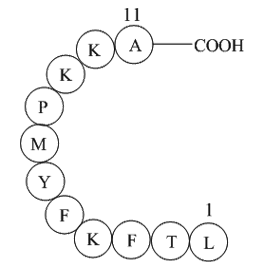
The current guidelines are designed to optimize the detection of IHC+FISH+ cases, most of which (but not all encountered in our study) being classically good responders to crizotinib therapy (resistance mechanisms to crizotinib therapy were not investigated in our study). In addition to the current
-
The finding that OCT is expressed in the
2023-08-17
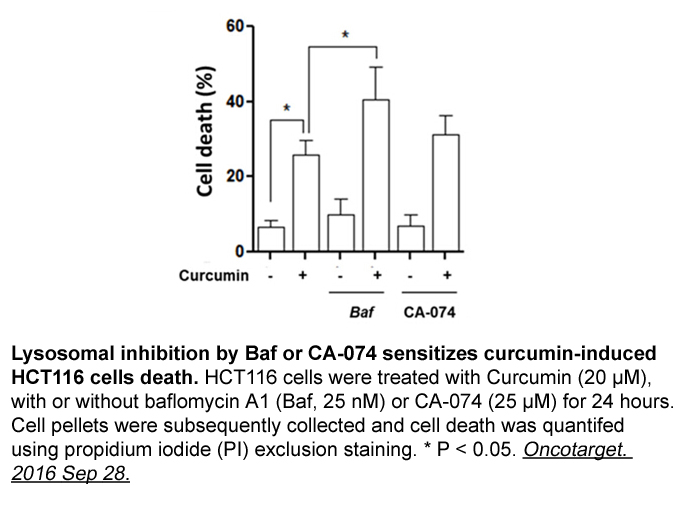
The finding that OCT3 is expressed in the nucleus accumbens (Gasser et al., 2009) suggests that inhibition of this transporter may underlie previously described effects of glucocorticoids on extracellular DA concentrations and indicates that DA clearance in this region is not mediated exclusively by
-
br Conflict of interest br Financial support
2023-08-17

Conflict of interest Financial support Acknowledgments This work was supported by the Japanese Millennium project. We thank all members of the Center for Genomic Medicine of RIKEN and Dainippon-Sumitomo Pharma Co., Ltd. for supporting this study. We are also grateful to members of the Hiros
-
nitric oxide booster The pathogenesis of d penicillamine ind
2023-08-17
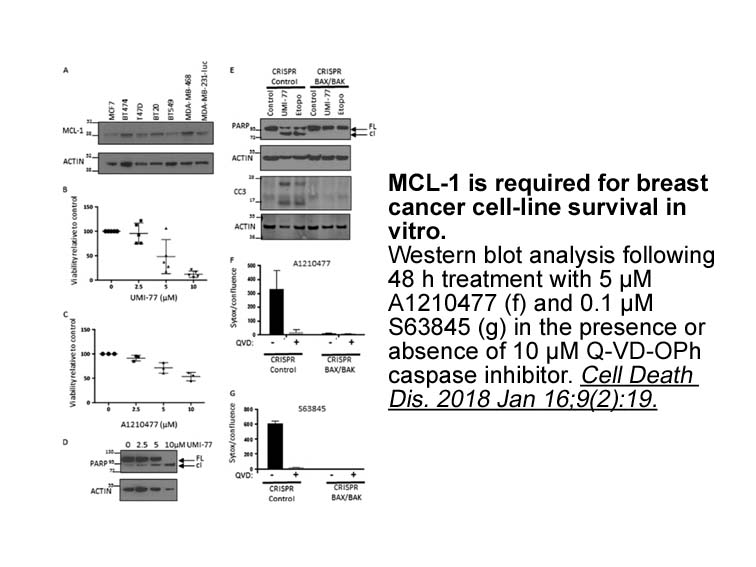
The pathogenesis of d-penicillamine-induced MG is not clear. The repertoire of anti-AChR nitric oxide booster in d-penicillamine-induced MG has been shown to be similar to that in idiopathic MG in terms of AChR antigenic regions, suggesting a common immune mechanism (Tzartos et al., 1988). About 20
-
Several studies have recently used optogenetics
2023-08-17
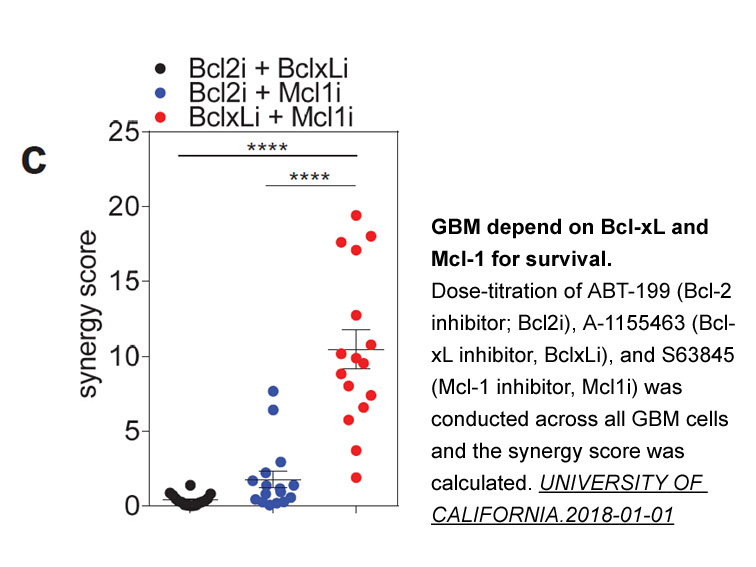
Several studies have recently used optogenetics to selectively activate various cholinergic neurons (Jiang et al., 2014). However, most do not explicitly report direct release of GABA from cholinergic fibers, with the exception of our two studies described above (Saunders et al., 2015a, Saunders et
-
The extent to which GPCR oligomerization is
2023-08-17
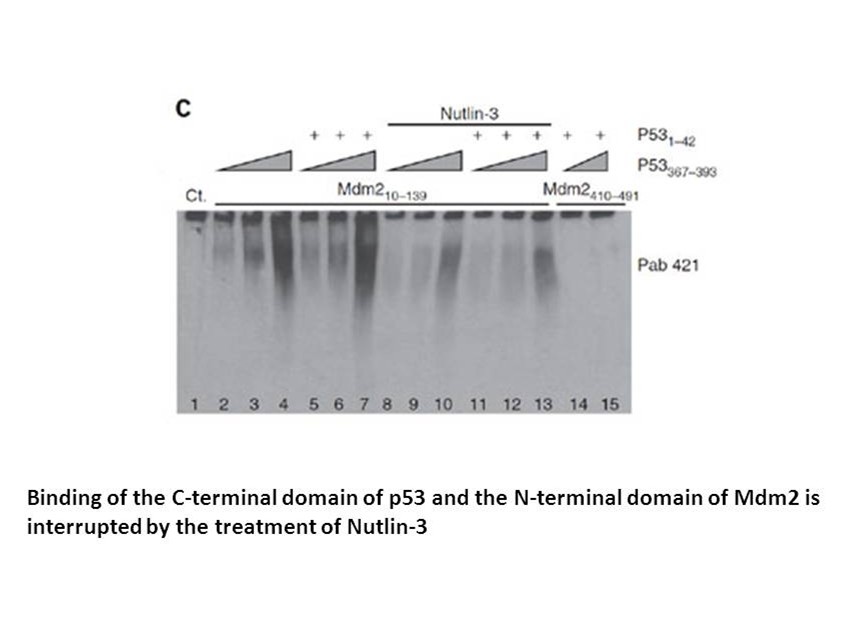
The extent to which GPCR oligomerization is a regulated process still remains unclear. Reported effects of ligands on both GPCR homo- and heteromers are highly variable and depend on GPCR subtypes and the specific ligand used. According to our data, chronic treatment of mice with both paroxetine or
-
A rational approach for the
2023-08-17
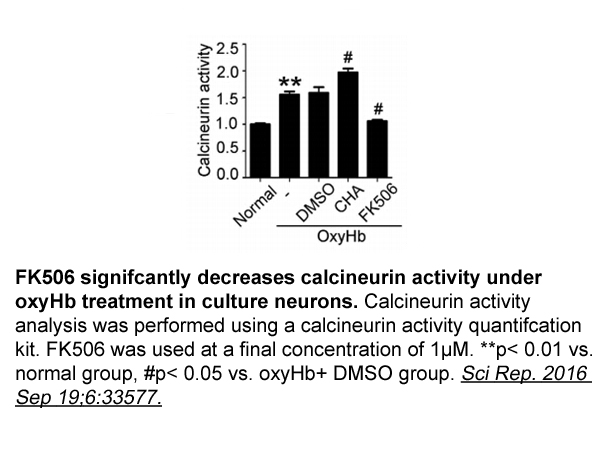
A rational approach for the design of new steroid compounds as possible competitive inhibitors of CYP17 include chemical modification at C17 of the enzyme's natural substrates, pregnenolone (1) and progesterone (2), introducing groups with moderate to strong dipole properties at C20, such as oxime a
-
br Involvement of LPA receptors in
2023-08-17

Involvement of LPA receptors in cancer LPA׳s effects are mediated by at least six different G protein-coupled receptors (LPA1–6). Human gastric and ovarian cancers overexpress the mRNA encoding LPA1 and LPA2 compared to healthy tissues [6], [11], [12]. Papillary and follicular thyroid cancers exh
-
Herein we disclose novel dihydropyrano c pyrazoles
2023-08-17
Herein, we disclose novel 2,4-dihydropyrano[2,3-c]pyrazoles that inhibit human ATX (hATX). Our results demonstrate and further support previous findings showing that a desired biological action can be achieved without targeting the catalytic site of the enzyme. Moreover, this study validated hen egg
8492 records 327/567 page Previous Next First page 上5页 326327328329330 下5页 Last page